How To Get Rid Of Marestail
Marestail, also known as horsetail, is a perennial weed that can be difficult to get rid of. It has a long, wiry stem that can grow up to several feet tall, and it produces clusters of brown spores that can spread easily. Marestail is a nuisance in gardens, lawns, and other areas, and it can also be harmful to human health.
If you have marestail in your yard, there are a few things you can do to get rid of it. The best method for you will depend on the severity of the infestation and your personal preferences.
Chemical Control
One way to kill marestail is to use a chemical weedkiller. There are a number of different weedkillers available that are specifically designed to kill marestail. When using a chemical weedkiller, it is important to read and follow the label directions carefully. Be sure to wear protective clothing, such as gloves and long sleeves, when applying the weedkiller.
Physical Removal
Another way to kill marestail is to remove it by hand. This can be a time-consuming and challenging process, but it is effective if you are willing to put in the work. To remove marestail by hand, you will need to dig up the entire plant, including the roots. This can be difficult to do, as the roots of marestail can be long and stringy. However, if you are able to remove the entire plant, it will not be able to regrow.
Natural Control Methods
There are a number of natural methods that you can use to control marestail. One way is to add lime to the soil. Lime will raise the soil pH, which will make it more difficult for marestail to grow. You can also try planting plants that compete with marestail, such as comfrey or clover. These plants will help to crowd out marestail and prevent it from growing.
Prevention
The best way to prevent marestail is to avoid planting it in your yard in the first place. Marestail can be found in many different places, including ditches, roadsides, and fields. If you see marestail growing in an area, do not bring it into your yard. You can also help to prevent marestail by improving your soil drainage. Marestail prefers moist soil, so improving drainage will make it less likely to grow in your yard.
Conclusion
Marestail is a difficult weed to get rid of, but it is possible with a little effort. If you have marestail in your yard, try one of the methods described above to get rid of it. With a little patience and persistence, you can eventually eliminate this pesky weed from your yard.
Marestail, also known as horseweed, is a common weed that can be found in many different areas. It is a perennial plant that can grow up to 6 feet tall and has a long, thin stem. Marestail blooms in the summer and produces small, white flowers.
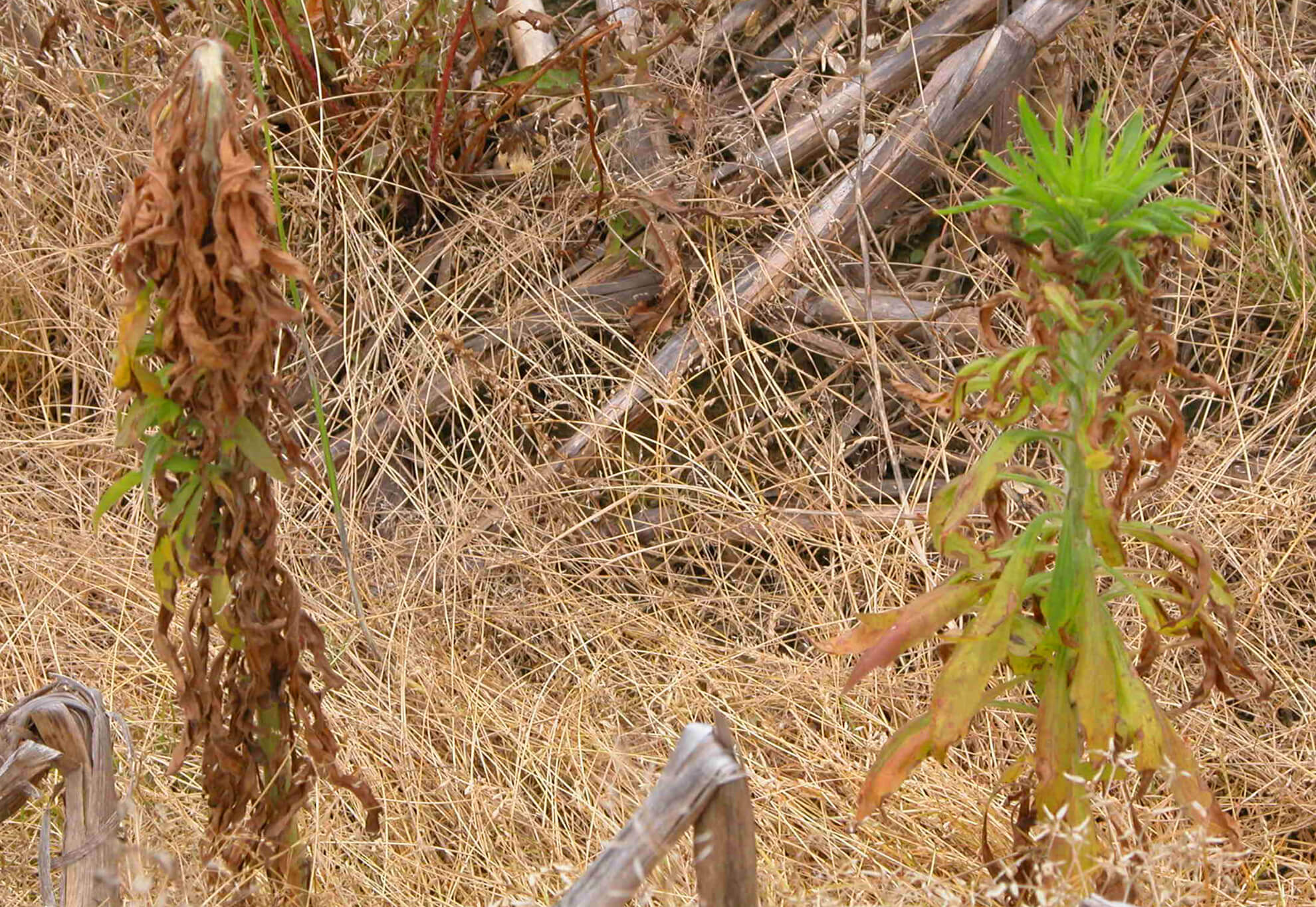
If you have marestail in your yard, you may be wondering how to get rid of it. There are a few different methods that you can use, such as pulling it by hand, mowing it down, or using a herbicide. However, it is important to note that marestail can be difficult to control, and it may take several treatments to get rid of it completely.
If you are looking for more information about marestail, I recommend visiting the website Home Gardening. This website has a wealth of information about marestail, including its identification, control methods, and potential health benefits.
FAQ of marestail
- What is marestail?
- Marestail, also known as horsetail, is a perennial weed that is common in moist, shady areas. It has tall, hollow stems that are topped with a whorl of spiky leaves. Marestail can be difficult to control because it can regrow from even the smallest pieces of root.
- How do I identify marestail?
- Marestail is a tall, slender plant with hollow stems that are light green to brown in color. The leaves are small and scale-like, and they are arranged in whorls around the stem. Marestail can grow up to 6 feet tall, and it often forms dense colonies.
- How do I control marestail?
- There are a number of ways to control marestail, including:
- Cultural control: This involves removing marestail as soon as it appears. You can do this by pulling it up by the roots or by mowing it down. However, it is important to note that marestail can regrow from even the smallest pieces of root, so it is important to be thorough when removing it.
- Herbicides: There are a number of herbicides that can be used to control marestail. However, it is important to choose a herbicide that is labeled for use on marestail and that is safe for the plants you want to protect.
- Steaming: Steaming is a non-chemical method of controlling marestail. It involves using a steam cleaner to heat the soil around the marestail plant, killing the roots.
- There are a number of ways to control marestail, including:
- What are the benefits of marestail?
- Marestail has a number of potential benefits, including:
- It is a source of silica. Silica is a mineral that is important for the health of bones, teeth, and connective tissue. Marestail is a good source of silica, and it has been used traditionally to treat a variety of health conditions, including arthritis, gout, and osteoporosis.
- It is a natural herbicide. Marestail contains a compound called nicotinamide, which can kill other plants. This makes marestail a potential natural herbicide that could be used to control weeds in gardens and other areas.
- It is a bioremediator. Marestail can help to clean up polluted soil and water. It can absorb heavy metals and other toxins, and it can help to break them down into less harmful substances.
- Marestail has a number of potential benefits, including:
Image of marestail
- A close-up of a single marestail stalk. The stalk is tall and slender, with a series of jointed segments. The leaves are small and scale-like, arranged in whorls around the stalk.

- A field of marestail plants. The plants are growing in a dense patch, with their tall stalks reaching up into the air. The leaves are a bright green color.

- A marestail plant in flower. The flowers are small and inconspicuous, arranged in a spike at the top of the stalk. The flowers are a greenish-brown color.
- A marestail plant with its roots exposed. The roots are long and slender, with a brown color. The roots are able to grow deep into the soil, which helps the plant to survive in dry conditions.
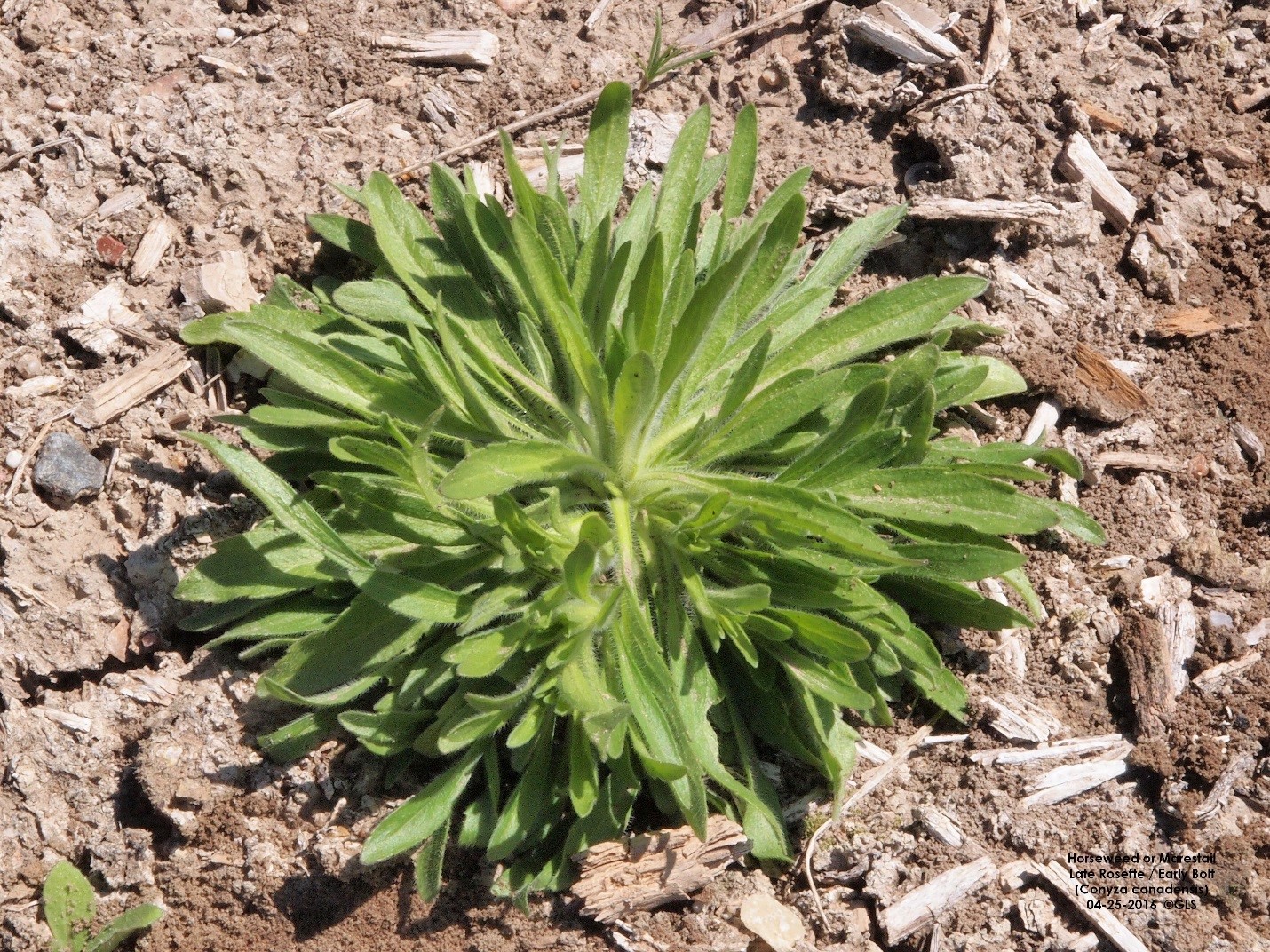
- A marestail plant in a forest setting. The plant is growing in a clearing in the forest, with its tall stalks towering over the surrounding vegetation. The leaves are a bright green color, and they are swaying in the wind.
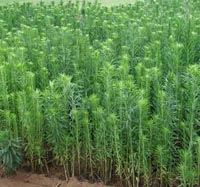
- A marestail plant in a meadow setting. The plant is growing in a meadow, with its tall stalks swaying in the wind. The leaves are a bright green color, and they are covered in dewdrops.
- A marestail plant in a garden setting. The plant is growing in a garden, with its tall stalks reaching up towards the sky. The leaves are a bright green color, and they are surrounded by flowers of various colors.
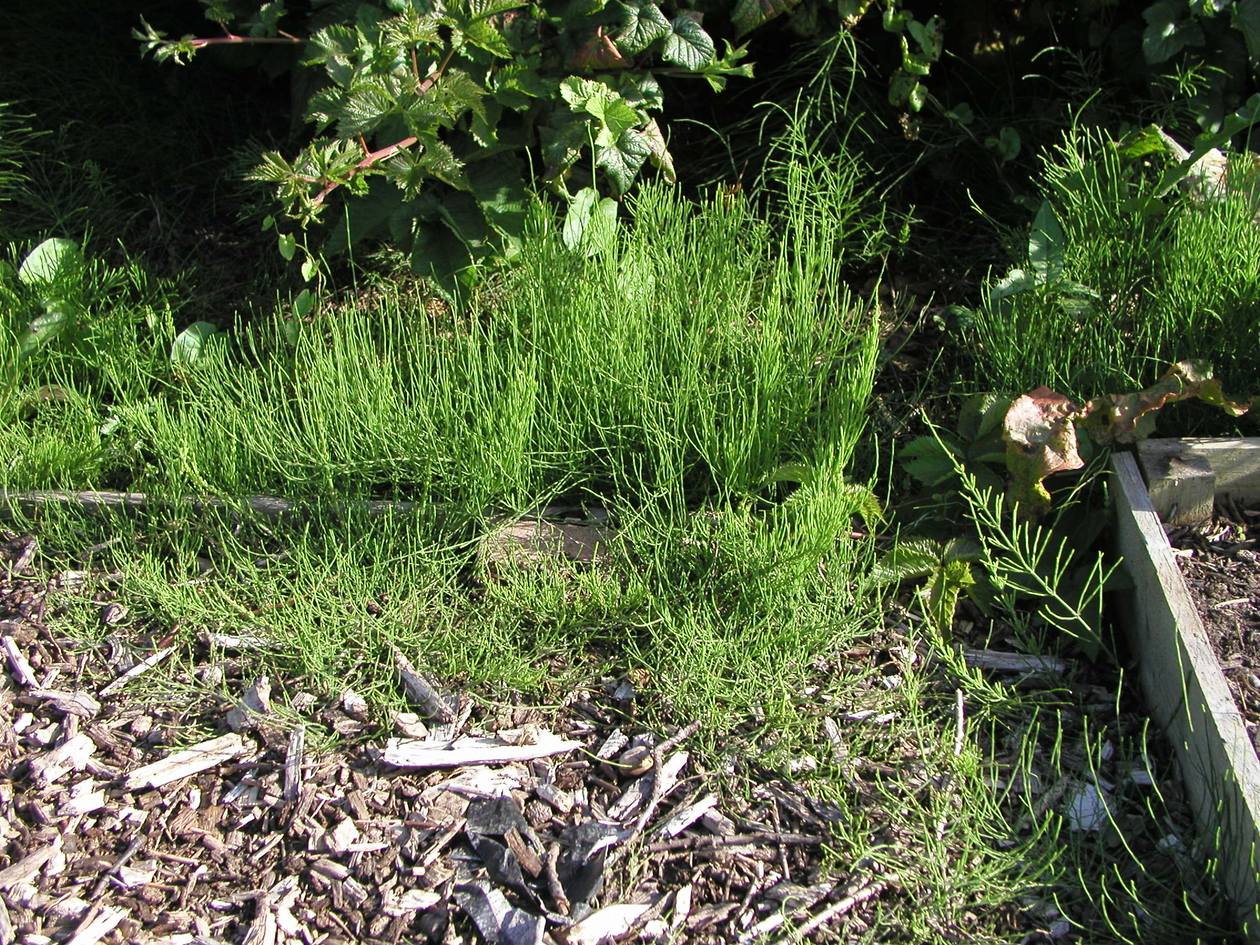
- A marestail plant in a vase. The plant is cut and placed in a vase, where it is still green and healthy. The leaves are arranged in a spiral pattern, and they are surrounded by water.
- A marestail plant in a painting. The plant is painted in a realistic style, with its tall stalks and small leaves. The painting is done in shades of green and brown.
- A marestail plant in a photograph. The plant is photographed in a close-up, with its individual leaves and stalks clearly visible. The photograph is taken in natural light, and the colors of the plant are true to life.


Post a Comment for "How To Get Rid Of Marestail"